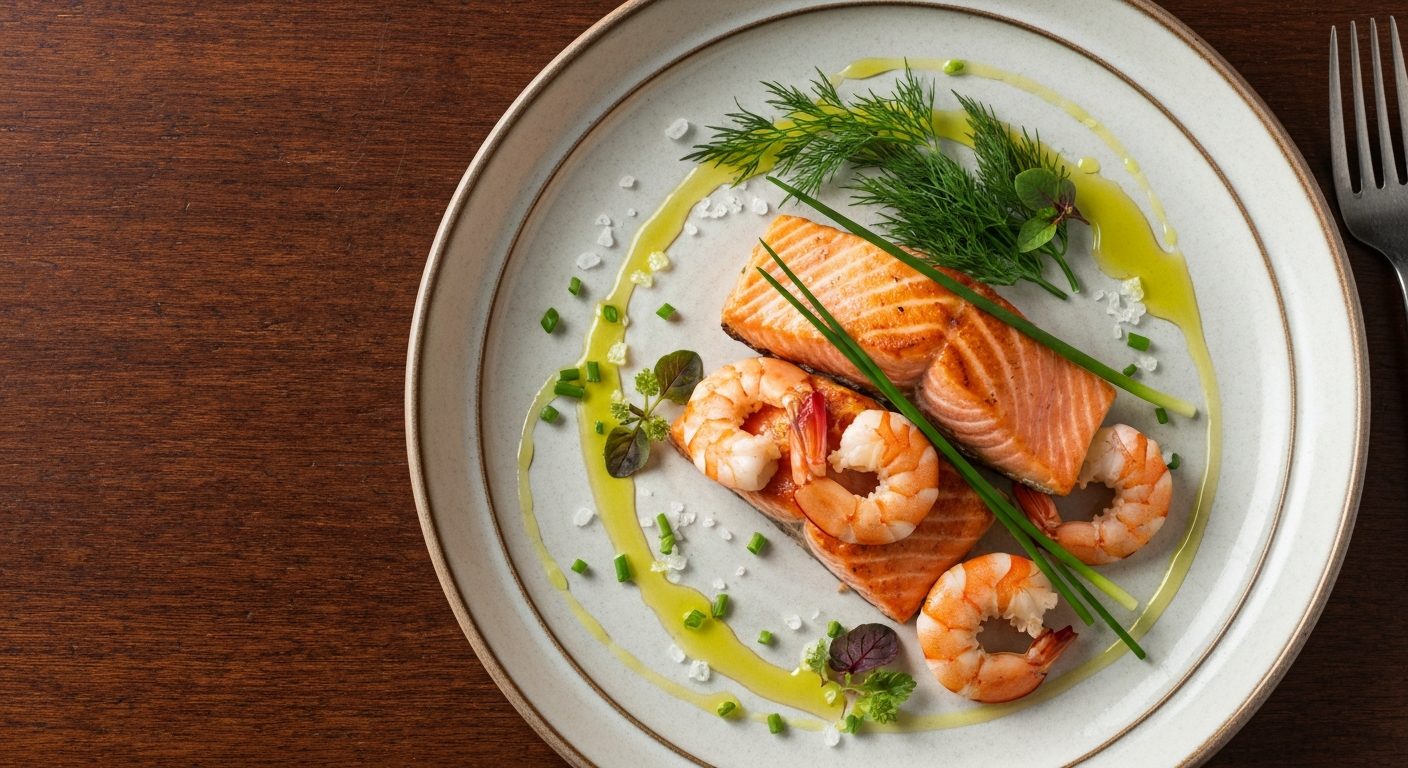
What is the difference between using fleur de sel while cooking and finishing with it?
Cooking salt dissolves into the food, distributing evenly and seasoning throughout. Finishing salt remains partially crystalline as it enters your mouth, dissolving on your tongue and releasing mineral complexity suddenly. Finishing is where artisan salt shines; cooking can use cheaper salt. Use fleur de sel exclusively for finishing — cooking with it is wasteful.
Is fleur de sel the only salt I need in my kitchen?
No. Use everyday salt (kosher or standard sea salt) for cooking. Reserve fleur de sel for finishing, where its minerality and delicate structure provide value. Using it for boiling water or salting pasta is not economical or practical.
Can I use fleur de sel in baking?
Generally not recommended. Baking relies on salt dissolving completely and distributing evenly throughout the batter. Fleur de sel crystals won't dissolve fully, and the minerality is less relevant in baked goods. Standard salt is the appropriate choice for baking.
How much fleur de sel should I use for finishing a dish?
Very little. Typically 2–4 fine crystals per bite, depending on dish size. For a steak serving one or two people, 8–12 crystals total. Start light; you can always add more. The ratio is roughly one tenth of the quantity you would use if cooking salt were appropriate.
What is the best way to store fleur de sel for long-term kitchen use?
Store in an airtight glass container in a cool, dry place away from humidity. Salt absorbs moisture, which can cause crystals to clump. A ceramic salt cellar with a tight-fitting lid is ideal for everyday use. Kept dry, fleur de sel maintains quality indefinitely.
Can I grind or crush fleur de sel, or should I use crystals as-is?
Use crystals as-is. Grinding destroys the crystal structure that makes fleur de sel special. The texture and dissolution rate depend on crystal integrity. If you need finer salt, use a different product; if you choose fleur de sel, honour its structure.
How do I know when I've added too much salt to a dish?
When salt becomes noticeably salty — when salt is the primary flavour sensation rather than a supporting one. Fleur de sel is subtle. If you taste salt immediately and prominently, you have used too much. The goal is to enhance other flavours, not to announce salt itself.
Can I use fleur de sel on cold dishes, or is it only for warm food?
Both work, but differently. On warm food, crystals dissolve quickly, releasing minerality in a concentrated moment. On cold food, crystals remain longer, providing textural contrast and visual appeal. Cold applications — fresh oysters, tomato salads, cold seafood — benefit from visible salt crystals.