Zero Chemical Processing
The salt avoids bleach, iodine, anti-caking compounds, and chemical additives throughout production.
Sustainability & Community
Sustainability is not a marketing claim for Bali Fleur de Sel. It is the foundation of how we operate.
In short
True sustainability means operating in a way that can continue indefinitely without degrading the resources or ecosystem on which it depends.
Traditional Methods = Low Environmental Impact
The salt avoids bleach, iodine, anti-caking compounds, and chemical additives throughout production.
Production relies on the Bali sun and trade winds to evaporate seawater, without mechanical pumps, artificial heating, or fossil fuel inputs.
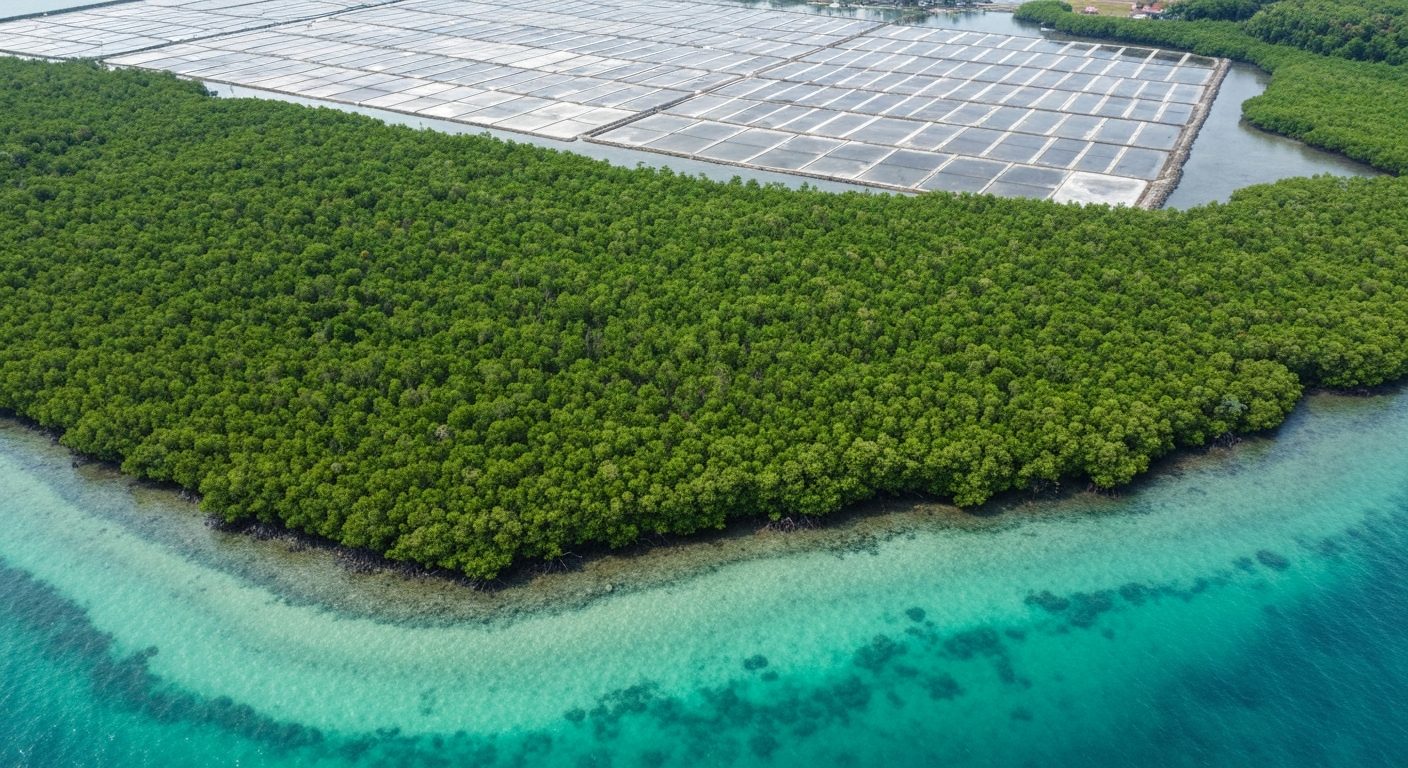
The Amed salt fields have been in continuous use for 150 years and have become more productive and more biodiverse.
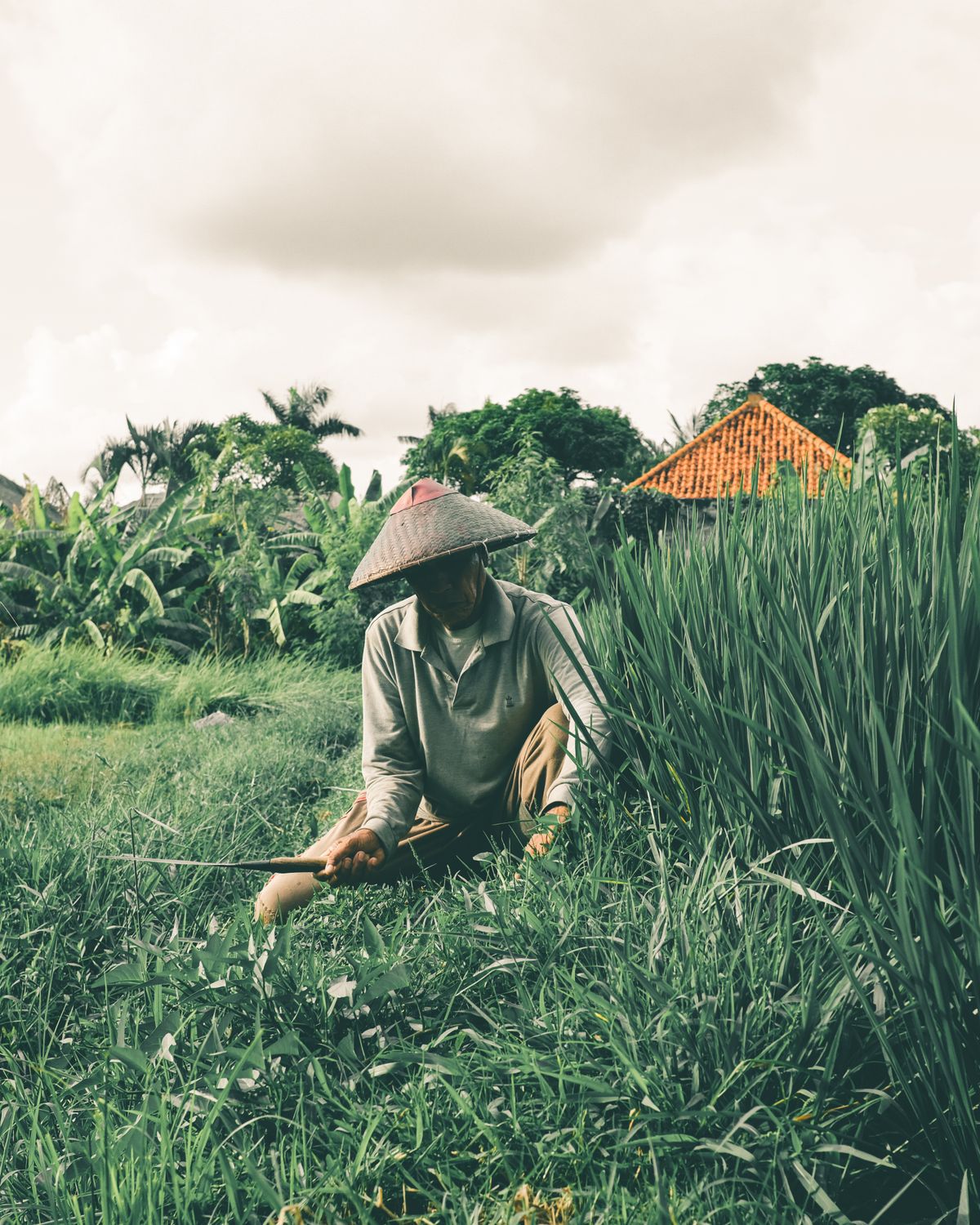
Salt makers earn income that supports a family with dignity — not subsistence wages, but genuine middle-class income.
Standards include flexible schedules, mandatory hydration, medical access, and reasonable hours.
Profits support education scholarships, healthcare clinics, infrastructure, and cultural preservation programmes.
Young salt makers are continuing family traditions — meaningful work, not a desperate last resort.
We use glass containers (fully recyclable), minimal plastic, cardboard packaging with soy-based inks, and design jars for reuse and longevity.
Carbon Footprint & Climate Commitment
Our production carbon footprint, broken down per kilogram. By 2026, we aim for fully carbon-neutral operations from production to customer delivery.
| Stage | CO₂ per kilogram |
|---|---|
| Solar evaporation | 0kg CO₂ |
| Hand harvesting | Minimal |
| Transport to port | Minimal |
| International shipping | 0.5–2kg CO₂ |
| Packaging | Minimal |
| Total per kilogram | Approximately 0.5–2.5kg CO₂ |
| Industrial salt, for comparison | 3–5kg CO₂ per kilogram |
Total depends on destination and transport method. Water stewardship: salt production uses seawater, not freshwater. Processing water is either returned to the ocean or used in local agriculture — there is no wastewater in the industrial sense.
Biodiversity & ecosystem support, Amed salt fields
Transparency & Accountability
Every batch is traceable to a harvest date, a salt maker, specific ponds, and water quality testing.
Third-party audits verify fair trade practices, environmental impact, product quality, and carbon footprint calculations.
The salt fields support migratory birds, microorganisms, and insect populations. The salt fields are not "natural" in a wilderness sense, but they are more biodiverse and productive than the barren coastal rock.
FAQ
Related
Ask Us Anything
If you want the audit documentation, the batch traceability record, or the carbon calculation behind a specific shipment, ask and we will send it.