
Bali Fleur de Sel Bulk 5kg Foodservice Pack

The Bali fleur de sel bulk 5kg foodservice pack is our largest standard format, built for hotels, resorts, catering operations, and distributors that need a steady, documented supply of hand-harvested Balinese finishing salt. Five kilograms represents roughly fifteen thousand finishing pinches, which is why this format is quoted per order and shipped on a schedule rather than sold off a shelf. This page explains what the format includes, how far it stretches in a working property, and how supply arrangements are structured.

What Does the 5kg Foodservice Format Include?

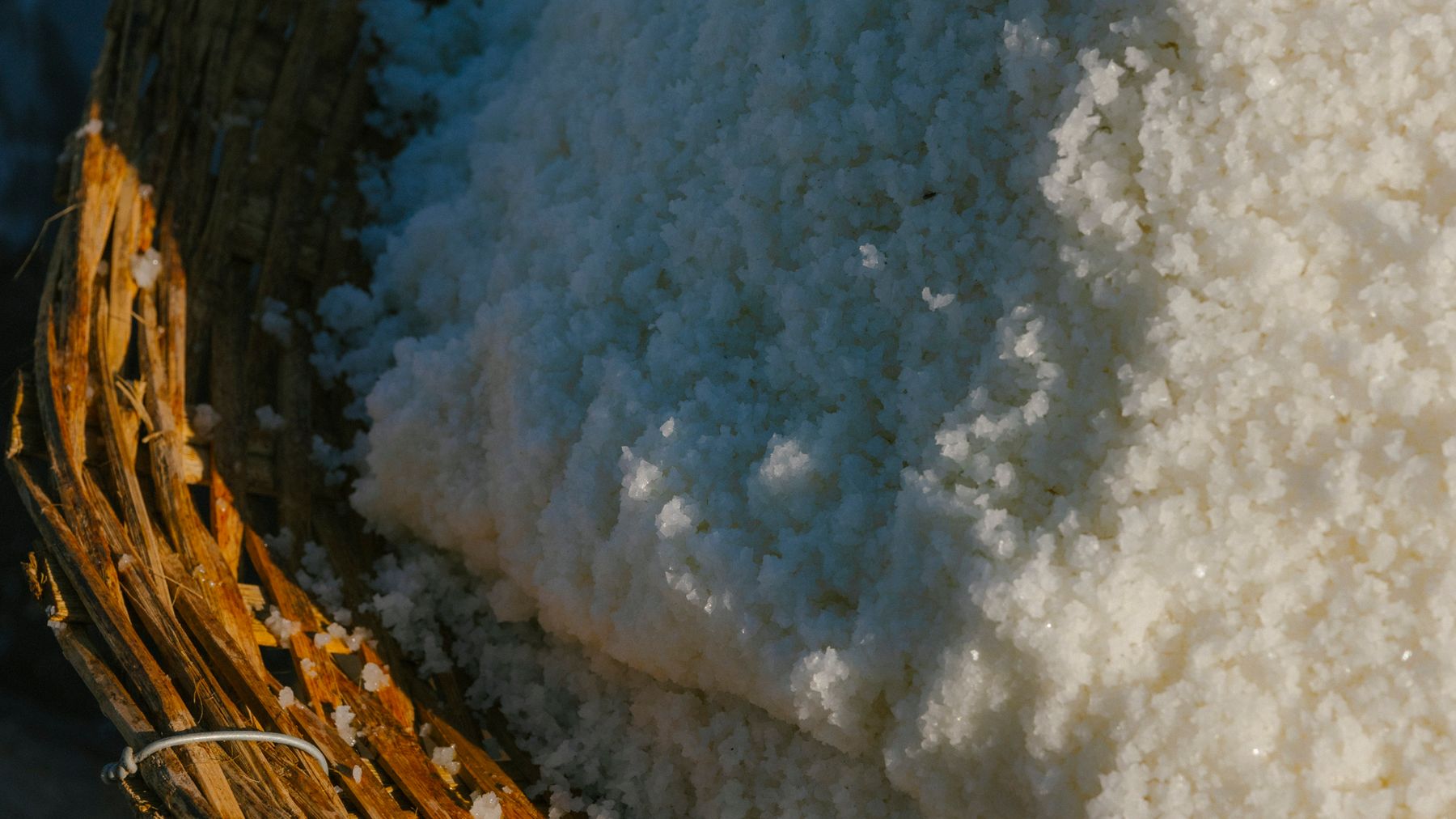
Each 5kg order is packed from current harvest lots into food-grade, moisture-sealed bulk packaging designed for back-of-house handling rather than display. The salt inside is identical to what fills our retail jars: fleur de sel skimmed by hand from the surface of East Bali’s coastal evaporation beds, drained, sorted, and packed without additives, milling, or heat drying. Foodservice orders ship with our current product specification sheet covering origin, harvest method, handling, and packing, which most hotel procurement teams file against their supplier records. Orders can be configured as a single 5kg unit or as multiples for larger properties and distributors, and we confirm packing configuration with you before dispatch, because different back-of-house setups prefer different inner-pack breakdowns.

How Far Does 5kg Go in a Hotel Kitchen?

At a working average of one-third of a gram per finishing pinch, a 5kg pack covers on the order of fifteen thousand plate finishes before reorder. In practical terms: a resort restaurant finishing one hundred covers a night with fleur de sel draws down around 33 grams per service, which puts a single 5kg pack at roughly five months of nightly service. A banqueting operation salting five hundred dessert plates for a gala uses under 200 grams in one event. The point of the arithmetic is that fleur de sel is a garnish-scale cost with signature-dish visibility; the per-plate cost is trivial next to protein and labor, while “hand-harvested Balinese fleur de sel” is a menu line that servers can actually talk about at the table.

Which Operations Choose the 5kg Format?

The 5kg pack was sized for buyers whose draw-down makes smaller formats an administrative nuisance. In practice that means five recurring profiles:

  • Hotel and resort kitchens running multiple outlets from one central dry store.
  • Catering and banqueting operations with event-driven spikes in usage.
  • Restaurant groups supplying several sites from one procurement relationship.
  • Distributors and food-trade companies repacking or reselling into their own markets.
  • Food producers using fleur de sel as a named ingredient in chocolates, caramels, baked goods, and cured products.

Single independent restaurants usually sit better with the 1kg chef pack, which keeps stock fresh-moving without dedicating dry-store space. If you are unsure, tell us your covers per night and we will recommend a format honestly, including recommending the smaller one.

How Do Ordering, Lead Times, and Resupply Work?

Because fleur de sel is a weather-dependent harvest skimmed only on dry, sunny days, 5kg orders are confirmed against actual harvest stock rather than promised from an infinite warehouse. That is the honest constraint of an artisanal product, and we manage it with communication: when you enquire, we confirm current availability, a realistic packing date, and a delivered timeline for your destination before any payment. Properties that use the salt continuously typically move onto a scheduled resupply rhythm — a recurring order sized to their draw-down, with a reminder from us as each window approaches — so the dry store never runs empty during a harvest lull. For Bali and Indonesian properties, delivery is straightforward; international foodservice orders ship by tracked courier or freight depending on volume, with export handling covered under our wholesale program for larger consignments.

Back-of-House Handling and Repacking

The only enemy of fleur de sel in a professional environment is steam, since the crystals’ natural residual moisture will absorb more from humid air and clump. Five kilograms should live in sealed packaging in dry storage, with small working amounts decanted to the pass in ramekins or salt cellars and refilled as needed — the same discipline as any premium dry good. Clumping, if it happens, is cosmetic: crush clusters with a dry spoon and the salt performs unchanged, because salt does not spoil or expire. Distributors repacking into their own retail formats should note that the crystals are fragile by design; gentle handling and non-mechanical filling preserve the surface-crystal structure that customers are paying for. Our salt-making process page is a useful training reference for staff who will talk about the product.

Frequently Asked Questions

Is the 5kg salt a different grade from the retail jars?

No. Every format we sell is packed from the same hand-skimmed harvest lots; there is no hidden bulk grade of broken crystals or pond-floor salt behind the foodservice label. What varies between lots is only the natural signature of a weather-driven harvest, such as slight differences in crystal size and moisture, and we flag anything notable on your batch when confirming the order.

What is the realistic lead time on a 5kg order?

It depends on harvest stock and your destination, which is why we confirm both before you pay rather than advertising a universal promise. Domestic Indonesian deliveries are typically quick once packed; international shipments add courier or freight transit and customs clearance. Properties on scheduled resupply avoid lead-time pressure entirely, because their next pack is planned before the current one runs low.

Can distributors repack the 5kg format under their own brand?

Repacking for resale moves the conversation into private-label and trade territory, which we handle through the wholesale program because it involves volume commitments and a packaging discussion. The short answer is that we work with distributors gladly, and we would rather structure it properly than have the harvest resold anonymously. Tell us your market and intended format, and we will respond plainly.

How should procurement teams document this product?

Request our current product specification sheet when you enquire; it covers origin, harvest method, handling, and packing details in the format hotel procurement systems expect from a supplier record. Because the product is a single-ingredient mineral food with no additives, allergen documentation is short by nature. If your country applies specific import rules for salt, tell us the destination and we will confirm what our paperwork covers.

Does fleur de sel survive long storage in a tropical dry store?

Yes, indefinitely, provided the packaging stays sealed against humidity. Salt is a stable mineral that cannot spoil, so shelf life is not the concern; texture is. In tropical back-of-house conditions, keep the bulk pack closed, decant working amounts in small quantities, and store away from steam lines and dish areas. Clumps, if any form, crush back to usable crystals with a dry spoon.

Request a Foodservice Quote

Send us your property or company name, estimated monthly usage, and delivery destination, and we will reply with availability, a delivered quote, and a resupply recommendation. WhatsApp https://wa.me/6281139414563 or email [email protected].

Scroll to Top