Mon–Fri 9am–5pm Bali Time (UTC+8) Amed, East Bali · Hand-harvested since 1870s
Fleur de sel in the kitchen: recipes and pairings

Recipes & Pairing Guide

Fleur de Sel in the Kitchen — Recipes & Inspiration

Salt is never just salt. The difference between commodity salt and artisan fleur de sel is the difference between existence and excellence.

5
Recipes
2–4
Crystals per bite
0.3g
A typical finishing pinch
Last
Always the final step

In short

Finishing salt maintains crystal structure, dissolving slowly on the tongue to release mineral profiles directly. You taste not just salt, but the terroir — the specific minerality of the ocean where it was harvested.

  • /01 Best on proteins where crystals remain visible, and on hot foods that let the crystal dissolve slowly.
  • /02 Best on high-fat foods, sweet preparations, and raw or lightly cooked dishes.
  • /03 Not for soups or liquid dishes, heavily sauced preparations, or dishes that are already very salty.
  • /04 Professional chefs use affordable salt during preparation but reserve artisan varieties for final presentation.

Five Recipes

Where Fleur de Sel Earns Its Place

Each of these is a finishing exercise. The cooking matters, but the finale is the pinch.

/01

Finishing a Perfect Steak with Fleur de Sel

A steak is theater. Rest it 5 minutes, then finish with a light sprinkle of Fleur de Sel Fine — roughly 2–3 grains per bite. The salt hits warm steak and dissolves slowly, releasing mineral complexity exactly as you bite.

/02

Salted Caramel — The Sweet-Salt Balance

Salt and sugar are opposites that create harmony. Add Fleur de Sel Fine very slowly, tasting as you go: the goal is just enough salt to deepen sweetness perception, not salty caramel. Typically 2–4 grains per 200g of caramel.

/03

Salted Butter — The Luxury Essential

Beat 250g of room-temperature butter until light and fluffy, then gently fold in the crystals. When the butter melts over warm food, the salt dissolves slowly, enhancing the melt and the minerality.

/04

Salt-Crusted Fish — The Dramatic Technique

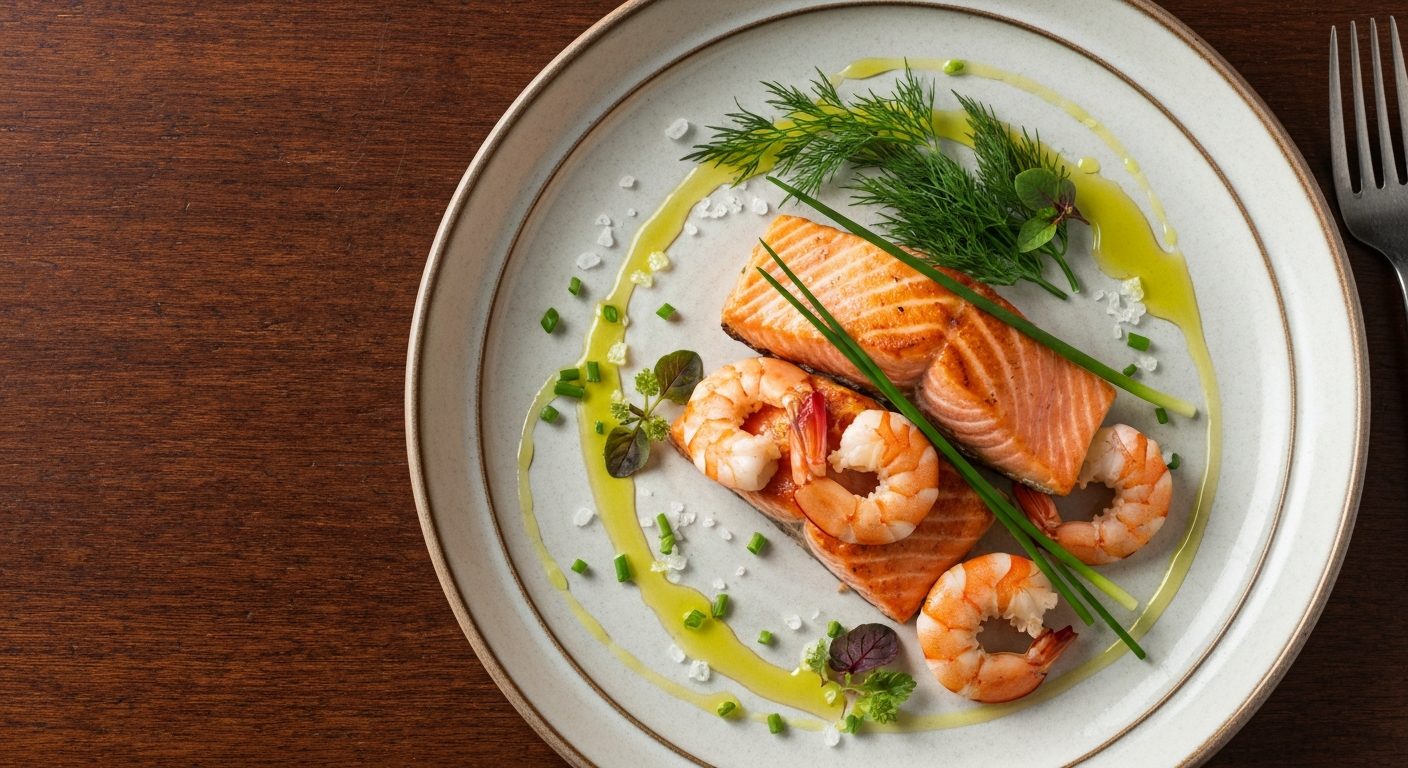
Whole fish encased in a salt crust steams in its own moisture. Crack the crust at the table, then sprinkle the interior flesh with Fleur de Sel Coarse just before serving, with good olive oil and fresh lemon.

/05

Dark Chocolate with Fleur de Sel — The Transcendent Simple

Quality dark chocolate (70%+ cacao) and fleur de sel have a natural affinity. Sprinkle very lightly — 2–3 grains per bite. Salt doesn't make chocolate salty; it amplifies the chocolate's depth and bitterness. Try it with smoked fleur de sel for added depth.

/06

Salt-Crusted Vegetables & Fresh Oysters

Root vegetables roast whole in a salt crust at 200°C for 45–60 minutes; finish with fleur de sel and good olive oil. Raw oysters are ideally paired with nothing but fleur de sel and fresh lemon.

Chef Tips

The Art of Finishing with Salt

Restraint

Quantity Control

Finishing salt is about restraint. Start with fewer crystals than you think necessary. Taste. Add more if needed. Once over-salted, the dish is often ruined. Under-salted is forgivable; over-salted is not.

Temperature Matters

Warm food accepts salt more readily than cold. On a warm steak, fleur de sel begins dissolving immediately. On cold salad it stays crystalline and less integrated — which is not necessarily bad, but technique should match intention.

Visibility

Fleur de sel is beautiful. Use it where it is visible — on top of dishes, in final presentation. Visible salt signals quality and intention to diners.

Keep Two Salts

Use everyday salt for cooking. Reserve fleur de sel for finishing, where its minerality and delicate structure provide value.

Never Grind It

Grinding destroys the crystal structure that makes fleur de sel special. If you choose fleur de sel, honour its structure.

Pairing Philosophy

What To Finish, And What To Leave Alone

PairingVerdictWhy
With proteinsAlwaysSteaks, fish, chicken, game — salt enhances and completes.
With sweetsAlwaysSalt deepens sweetness perception and adds sophistication.
With vegetablesDependsRoasted vegetables, yes. Salads, yes. Steamed vegetables, maybe not — soft textures do not show off salt crystals.
With soups or brothsUsually notLiquid-heavy dishes benefit from salt incorporated during cooking, not finishing.
With cheeseYesSalt on cheese is classic — it enhances creaminess and umami.

FAQ

FAQ: Fleur de Sel in Cooking

What is the difference between using fleur de sel while cooking and finishing with it?
Cooking salt dissolves into the food, distributing evenly and seasoning throughout. Finishing salt remains partially crystalline as it enters your mouth, dissolving on your tongue and releasing mineral complexity suddenly. Finishing is where artisan salt shines; cooking can use cheaper salt. Use fleur de sel exclusively for finishing — cooking with it is wasteful.
Is fleur de sel the only salt I need in my kitchen?
No. Use everyday salt (kosher or standard sea salt) for cooking. Reserve fleur de sel for finishing, where its minerality and delicate structure provide value. Using it for boiling water or salting pasta is not economical or practical.
Can I use fleur de sel in baking?
Generally not recommended. Baking relies on salt dissolving completely and distributing evenly throughout the batter. Fleur de sel crystals won't dissolve fully, and the minerality is less relevant in baked goods. Standard salt is the appropriate choice for baking.
How much fleur de sel should I use for finishing a dish?
Very little. Typically 2–4 fine crystals per bite, depending on dish size. For a steak serving one or two people, 8–12 crystals total. Start light; you can always add more. The ratio is roughly one tenth of the quantity you would use if cooking salt were appropriate.
What is the best way to store fleur de sel for long-term kitchen use?
Store in an airtight glass container in a cool, dry place away from humidity. Salt absorbs moisture, which can cause crystals to clump. A ceramic salt cellar with a tight-fitting lid is ideal for everyday use. Kept dry, fleur de sel maintains quality indefinitely.
Can I grind or crush fleur de sel, or should I use crystals as-is?
Use crystals as-is. Grinding destroys the crystal structure that makes fleur de sel special. The texture and dissolution rate depend on crystal integrity. If you need finer salt, use a different product; if you choose fleur de sel, honour its structure.
How do I know when I've added too much salt to a dish?
When salt becomes noticeably salty — when salt is the primary flavour sensation rather than a supporting one. Fleur de sel is subtle. If you taste salt immediately and prominently, you have used too much. The goal is to enhance other flavours, not to announce salt itself.
Can I use fleur de sel on cold dishes, or is it only for warm food?
Both work, but differently. On warm food, crystals dissolve quickly, releasing minerality in a concentrated moment. On cold food, crystals remain longer, providing textural contrast and visual appeal. Cold applications — fresh oysters, tomato salads, cold seafood — benefit from visible salt crystals.

Premium Artisan Salt

Put It Within Arm's Reach Of The Plate

The practical kitchen rule is two salts: an everyday salt for cooking, and a jar of this within arm's reach of the plating area for the final pinch before serving.

100g jar lasts months
WhatsApp