The Bali Fleur de Sel trade distributor network connects regional distributors, importers, and gourmet trade partners with a reliable allocation of hand-harvested Balinese fleur de sel, backed by tiered pricing, protected territories, and export logistics coordinated from Bali. This page explains how the network is structured, what distributors receive, and how a new partner joins.
What Is the Trade Distributor Network?
Fleur de sel cannot be manufactured on demand: it is skimmed by hand from the surface of seawater evaporation beds only when sun and wind conditions allow a crystal crust to form. That scarcity is exactly why a distributor network exists. Instead of selling every harvest to whoever asks first, allocation is planned across committed partners, so each distributor can promise availability to their own retail and hospitality customers with confidence. The network is the mechanism that turns a seasonal artisanal product into a dependable line item for the trade.
Who Joins the Network?
Most partners fall into one of three profiles: gourmet food importers who already carry specialty pantry lines, foodservice distributors supplying hotels and restaurant groups, and specialty brokers who place premium products into department stores and delicatessen chains. Geography matters as much as profile. The network is built region by region so partners are not competing for the same shelf, and a distributor’s plan for their territory weighs more in the evaluation than raw order size.
What Do Distributors Receive?
A distributor relationship is broader than a wholesale price list. Partners in the network receive a defined package designed to make the product easy to place and defend in their market.
- Planned allocation from each harvest season, agreed in advance rather than sold first come, first served
- Distributor pricing tiers above standard wholesale, structured around annual volume commitments
- Territory understanding for their region, so investment in listings is not undercut
- Full export coordination and document preparation from Bali
- Origin storytelling material: harvest notes, product photography, and staff training content
- Access to the full format range, from 100g retail jars to 5kg foodservice cartons
Volume pricing brackets, minimums, and standard terms are published in the bali fleur de sel wholesale program, which is the baseline from which distributor terms are negotiated.
How Does Allocation Work in Practice?
Bali’s salt harvest concentrates in the dry months, roughly April to October, so the network plans a year of supply around a window of production. Distributors indicate volumes per quarter, the harvest is allocated against those commitments, and a reserve is held for growth and replacements. This rhythm protects partners in two directions: they are not left short in the gifting season when demand peaks, and they are not pressured to overstock in months when their market is quiet.
How Do Orders Move From Bali to a Distributor’s Warehouse?
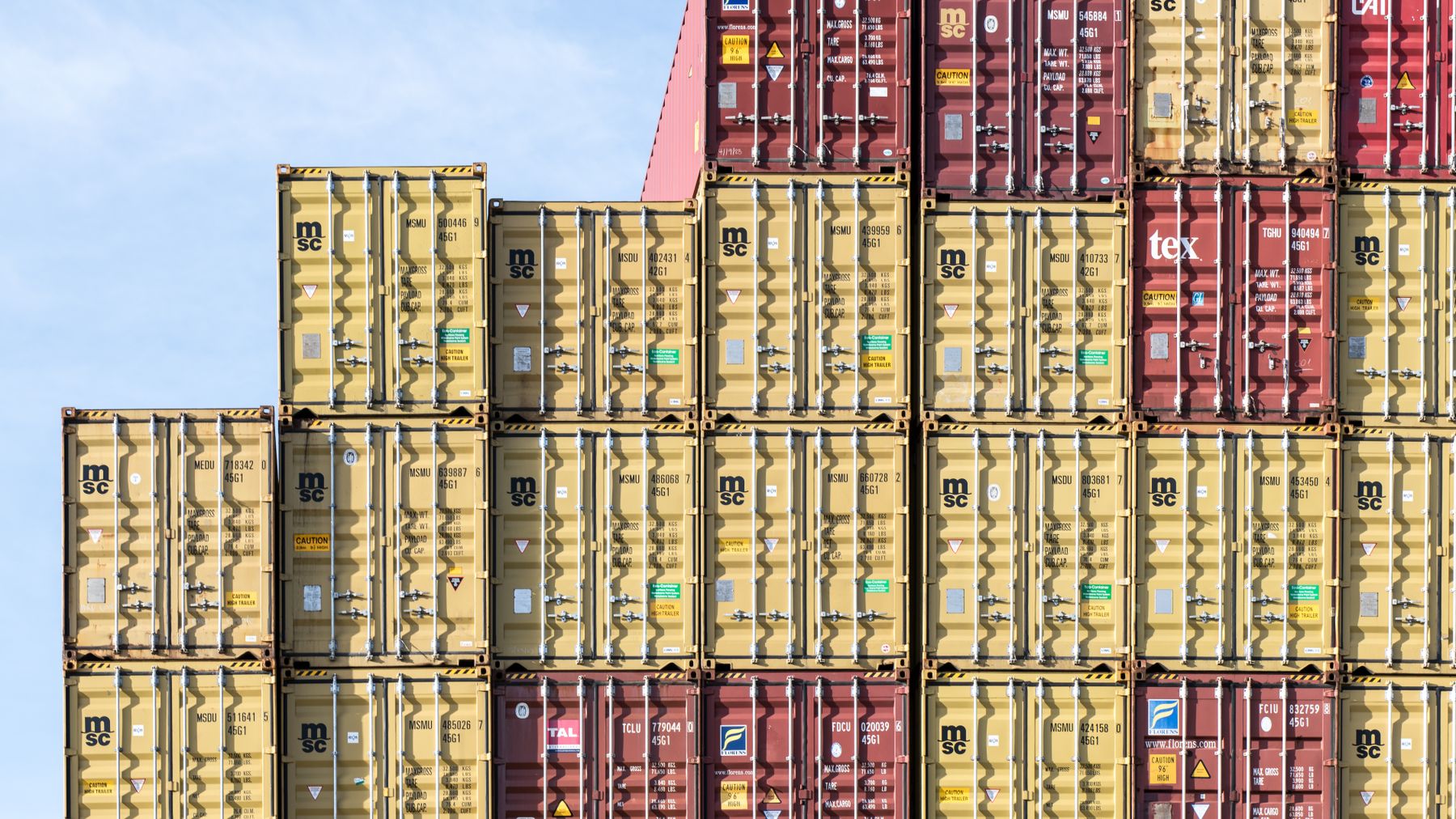
Bali ships gourmet cargo by air from Ngurah Rai International Airport and by sea through Benoa and Surabaya’s Tanjung Perak, and every distributor consignment travels with a complete export file: commercial invoice, packing list, certificate of origin, and the sanitary documentation the destination market requires. Routing, packing standards, and document handling are run through our bali sea salt exporter hub, so a distributor’s logistics team works with one coordinated process rather than a chain of intermediaries.
Can Distributors Build Their Own Branded Line?
Yes, and several partners run both models side by side: the origin-branded Bali Fleur de Sel line for gourmet retail, plus a private-label line for chains that want an exclusive product. Private-label runs are produced per buyer with their own jars, labels, and inserts, while the salt inside remains the same hand-harvested crystal. The options, practical minimums, and design process are described on the bali salt private label page.
How Does a New Distributor Apply?
The process is deliberately short. A candidate shares three things: their region and channels, the gourmet lines they currently carry, and a first-year volume estimate. We respond with availability for that territory, distributor terms, and a sample set so their team can evaluate crystal quality directly. If both sides see a fit, a first commercial order is agreed, usually one season of committed volume, and the partner enters the allocation plan for the following harvest.
Why Commit to a Network Instead of Buying Spot?
Spot buying works until the first season when demand outruns harvest, and in a hand-skimmed product that season always comes. Network partners hold the allocation priority, the stable pricing, and the territory position; spot buyers take what remains. For a distributor building listings with retail chains, that difference is strategic: a delisted product because of a supply gap costs far more than the margin saved on an opportunistic purchase. The network exists to make sure the partners who invest in the product are never the ones caught short.
Frequently Asked Questions
Is there an exclusive territory for each distributor?
Territories are planned so partners do not compete for the same shelves, and the network is built region by region for that reason. Formal exclusivity depends on committed volume and channel coverage: a distributor who commits to a full season of allocation and active listings in their region receives territory protection as part of their agreement.
What volumes does a distributor typically commit to?
Commitments are agreed per quarter and measured against the harvest calendar, since Bali’s salt is produced mainly in the dry months from about April to October. A first-year partner usually starts with one season of committed volume, then scales quarterly quantities once listings are secured. There is no single fixed minimum; territory plans drive the number.
Can a distributor carry both branded and private-label salt?
Yes. Many partners run the origin-branded line in gourmet retail while supplying a private-label version to chains that want exclusivity. Private-label runs are produced per buyer with dedicated jars and labels, and the two lines are allocated separately, so growth in one channel does not cannibalize supply promised to the other.
How quickly can a new partner receive samples?
Sample sets ship by express courier and typically arrive within about a week of the request, depending on destination customs. The set includes fleur de sel and sea salt flakes in retail formats plus bulk crystal samples, allowing a distributor’s buying team to evaluate texture, moisture, and presentation before discussing committed volumes.
Apply to Join the Distributor Network
Introduce your company with your region, channels, and current gourmet portfolio, and the trade desk will reply with territory availability, distributor terms, and a sample set. Message us on WhatsApp at https://wa.me/6281139414563 or email [email protected] to open the conversation.