Bali Salt Private Label for Gourmet Brands

Bali salt private label lets gourmet brands, retailers, and hospitality groups sell hand-harvested fleur de sel and artisanal sea salts from Amed, East Bali, under their own name, with the sourcing, filling, packaging, and export handled at origin. You supply the brand; we supply a documented single-origin product, food-grade co-packing, and shipment to your market. This page explains what the private-label program includes, how the process runs from first sample to shelf-ready cartons, the packaging formats available, and the volumes at which custom branding becomes practical.

What Does Private Label Bali Salt Include?

Salt is a single-ingredient product classified under HS heading 2501, which makes it one of the simplest gourmet categories to private-label: no recipe development, no cold chain, and a label whose mandatory content is short in every major market. The program covers four building blocks:

  • Product: your choice of fleur de sel, sea salt flakes, coarse crystals, or fine sea salt, in one grade or several.
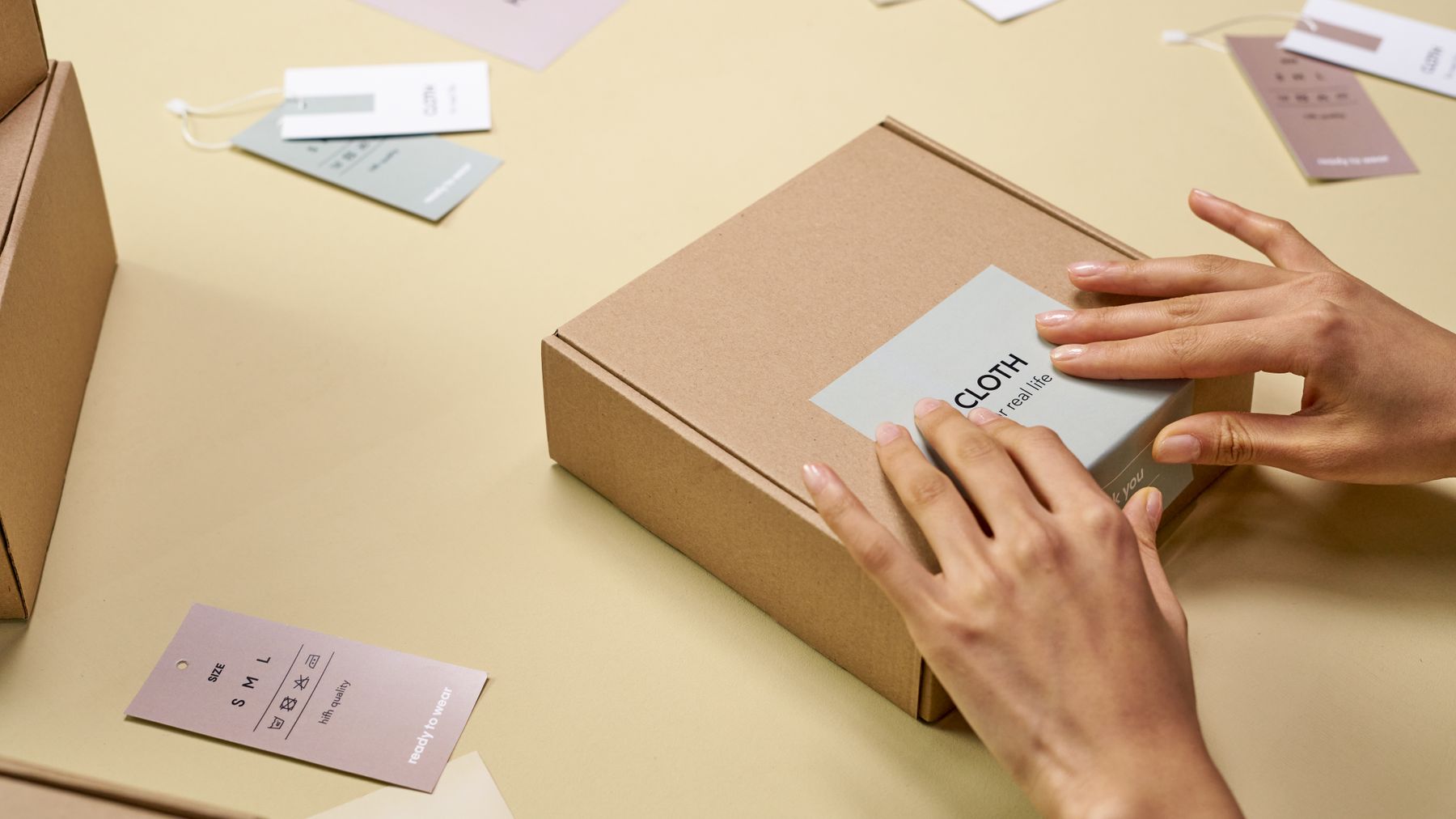
  • Packaging: jars, tins, pouches, or bulk sachets filled and sealed at origin.
  • Branding: your label artwork applied to the packaging, with our team advising on mandatory label content for your market.
  • Logistics: export documentation and freight to your warehouse, under the Incoterms rule you prefer.

Brands that want the product story without custom packaging can instead resell our house line through the bali salt for retailers program, which has lower entry volumes.

How Does the Private Label Process Work?

A private-label project moves through five stages, and the first one costs almost nothing: physical samples of each candidate salt are sent to you so texture and flavor decisions are made on the real product, not photographs. The sequence:

  • Sampling: you receive graded samples of the salts under consideration.
  • Specification: product, grade, fill weight, packaging format, and target volumes are fixed in writing.
  • Artwork and labeling: your design is checked against the mandatory information rules of your market before printing.
  • Pilot run: a small production run validates filling, sealing, and presentation before scale.
  • Production and shipment: full runs are packed, documented, and shipped on the agreed schedule.

Most projects reach shelf-ready cartons within a small number of months from first sample, with the pilot run being the milestone that removes nearly all execution risk before serious money is committed.

Which Packaging Formats Can Carry Your Brand?

Because a finishing pinch weighs under one gram, small formats remain commercially serious in this category: a 100 g jar is a genuine multi-month product for the end customer, not a novelty size.

FormatTypical FillPositioning
Glass jar with sealed lid100–250 gPremium retail shelf, gifting
Kraft or foil pouch100–500 gRefill lines, zero-waste stores
Decorative tin75–150 gBoutique, hotel amenity, souvenir
Mini jar or sachet10–50 gSamplers, wedding favors, minibar
Bulk food-grade bag1–25 kgBrands packing in their own facility

Eco-conscious brands typically pair the pouch or kraft formats with the harvest story: sun evaporation in palm-trunk palungan troughs is a genuinely low-energy production method, and the claim survives scrutiny because the process is real and documented on our salt-making process page.

What Volumes and Lead Times Should You Plan For?

Hand-skimmed fleur de sel is a low-yield harvest — the surface film of a pond is a small fraction of its total salt output — so private-label allocations are planned against real harvest capacity rather than promised loosely. Pilot runs commonly start in the hundreds of units, full production runs in the low thousands, and fill weight strongly affects how far a harvest allocation stretches: one tonne of salt fills ten thousand 100 g jars. Lead times follow the season; the April-to-October dry season is peak harvest on Bali’s northeast coast, and runs scheduled in that window enjoy the shortest queue. Your quotation states the allocation, run size, and production slot explicitly so your launch calendar can be built on fixed dates.

How Is Label Compliance Handled?

Food sold in the European Union must carry the mandatory particulars required by the EU food information rules, including product name, net quantity, and operator address, and other markets impose equivalent requirements through their own labeling regulations. We supply the product data your designer needs — ingredient declaration, origin statement, net weight, and lot coding — and flag mandatory elements missing from draft artwork before printing. Final legal responsibility for compliance in your market sits with the brand owner and should be confirmed with your local regulatory advisor; our role is to make sure nothing obvious reaches the printer wrong and every carton carries traceable lot marks.

Who Is Private Label Right For?

The strongest private-label cases share one trait: an existing audience that trusts the brand more than it knows the category. Gourmet grocers and delicatessen chains extend shelf credibility into an origin-story product; chocolate and caramel makers put their own name on the finishing salt already inside their confections; hotels and resorts turn an amenity into boutique revenue; and creators or chefs with engaged followings convert attention into a physical product with honest provenance. Distributors building multi-country ranges usually combine private label with the trade terms described on the bali fleur de sel distributor page so branded and house lines ship in one consolidated program.

Frequently Asked Questions

What is the minimum order for private label?

Pilot runs start in the hundreds of units, which exists specifically so brands can validate packaging and sell-through before committing to scale. Full production runs are quoted from the low thousands of units, where per-unit filling and labeling costs settle. Exact minimums depend on format, since jar, tin, and pouch lines have different setup economics, and your quotation states them precisely.

Can you match an existing packaging design?

Yes, provided the format is one we can fill and seal to food-grade standard. You supply artwork and reference packaging, we confirm feasibility on the pilot run, and mandatory label content for your market is checked before printing. Where a requested component is impractical to source reliably in Indonesia, we propose the closest available alternative with samples before anything is produced.

Do you also supply the salt in bulk for us to pack ourselves?

Yes. Brands with their own filling capability order food-grade bulk bags from one to twenty-five kilograms and handle packing domestically, which shortens their replenishment loop and moves compliance fully in-house. Bulk supply is quoted under standard Incoterms with the same grading and lot traceability as packed goods, and many brands run bulk and origin-packed formats in parallel.

Can we visit the salt farms before committing?

Yes, and serious private-label partners are encouraged to. The salt-making area at Amed on Bali’s northeast coast can be visited, and seeing the palungan troughs, the hand-skimming, and the sorting process firsthand gives your brand authentic material for storytelling as well as due-diligence confidence. Visits are arranged by appointment so harvest work is not disrupted.

Start a Private Label Conversation

Tell us your market, target formats, and launch volumes, and we will send samples and a written program proposal. Message us on WhatsApp at wa.me/6281139414563 or email [email protected].

Scroll to Top