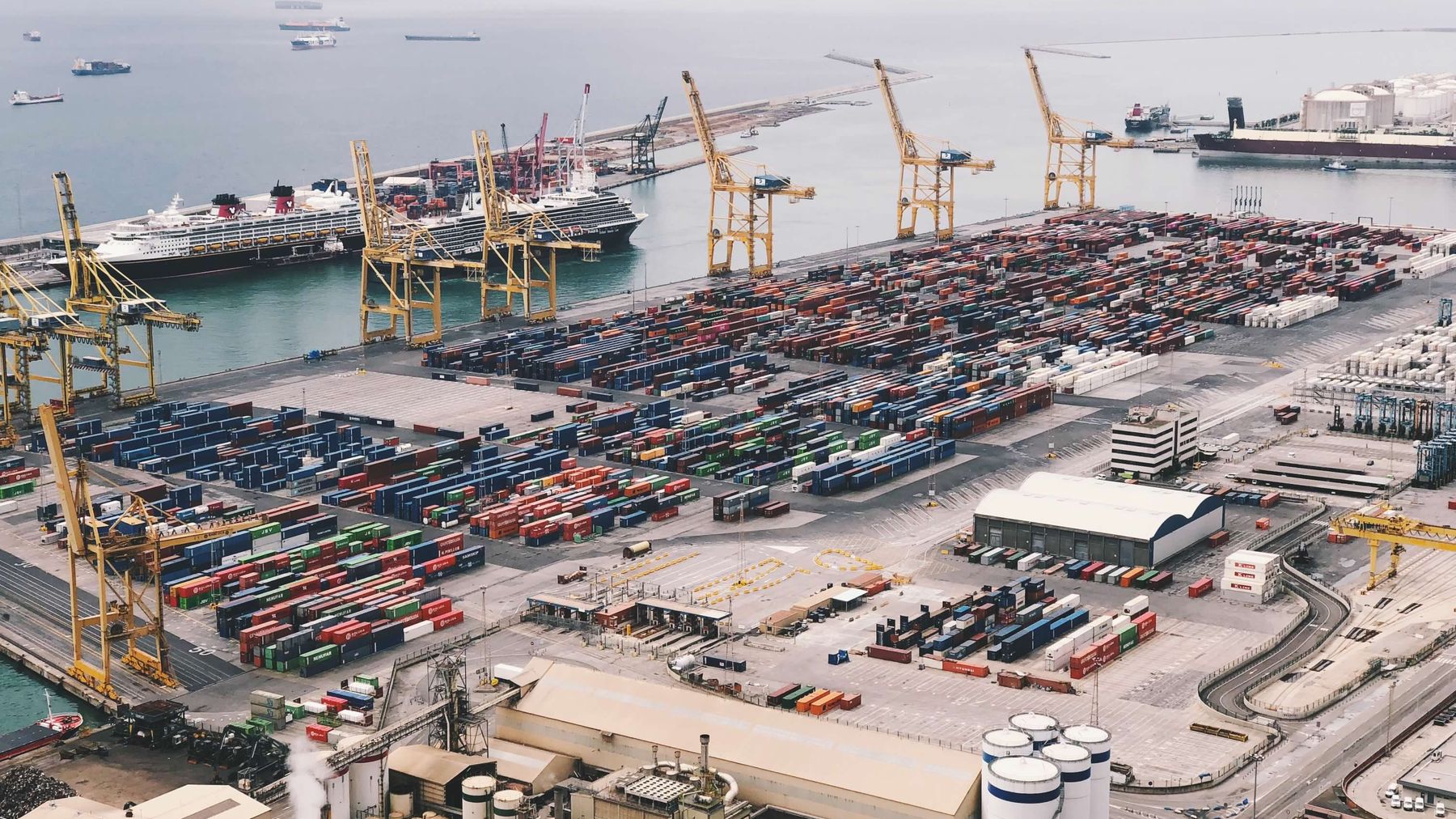
Bali Fleur de Sel operates as a Bali sea salt exporter and logistics hub, preparing hand-harvested fleur de sel and sea salt flakes for international shipment with complete export documentation, flexible air and sea routing, and coordination from the salt beds of Bali’s coast to your receiving warehouse. This page outlines what we ship, which documents accompany each consignment, and how routing decisions are made for different order sizes.
What Does the Export and Logistics Hub Handle?
Edible salt is traded internationally under HS heading 2501, and every shipment we prepare is classified, documented, and packed to clear customs as a food product rather than an industrial mineral. The hub exists to remove the friction that usually surrounds small-origin gourmet exports: fragmented paperwork, inconsistent packing, and no single party accountable for the goods between the farm and the port. We consolidate harvests, pack to export standard, book freight, and hand your broker a clean document set.
Buyers who want the full exporter relationship, including sourcing advice across Indonesian origins, can read about our indonesian fleur de sel exporter services, which extend the same logistics backbone to a broader product scope.
Which Products Can Be Exported?
Fleur de sel is skimmed by hand from the surface of evaporation beds during Bali’s dry months, which broadly run from about April to October, so export volumes follow the rhythm of the harvest. Within that seasonal envelope, the hub ships the full range: fleur de sel in retail jars or bulk food-grade liners, sea salt flakes for chefs, coarse and fine artisanal sea salt, and gift formats packed for onward distribution. Mixed consignments are common, letting one importer combine retail-ready jars with bulk cartons in a single booking.
How Are Shipments Routed From Bali?
Bali is served by Ngurah Rai International Airport for air cargo and by Benoa harbor for sea freight, with larger container volumes also routed through Surabaya’s Tanjung Perak, one of Indonesia’s busiest ports. Routing is chosen per order based on three variables: weight, urgency, and the customs practice of the destination country.
| Order Profile | Typical Mode | Notes |
|---|---|---|
| Sample sets and trial orders | Express courier | Fastest customs clearance, door-to-door tracking |
| Retail orders up to a few hundred kg | Air freight | Ships from Ngurah Rai, days rather than weeks |
| Pallet volumes | Sea freight, LCL | Shared container, best cost per kilogram |
| Full container programs | Sea freight, FCL | Scheduled around harvest windows |
What Export Documents Accompany Each Order?
A standard food-import file for salt includes a commercial invoice, packing list, certificate of origin, health or sanitary documentation as required by the destination market, and the transport document, which is an air waybill for air freight or a bill of lading for sea freight. We prepare this set in Bali and share drafts with your customs broker before the goods move, because most import delays are caused by document mismatches rather than by the cargo itself.
Requirements differ by country, particularly for food labeling and sanitary attestations, so the hub confirms the destination checklist at quotation stage. Buyers should verify final import rules with their national food authority, since regulations are updated over time and vary between markets.
How Is the Salt Packed for International Transit?
Because fleur de sel naturally holds a small amount of residual moisture, packing must protect both the crystals and the packaging from humidity swings during transit. Retail jars are packed in partitioned cartons with sealed liners, bulk salt travels in food-grade inner bags inside export cartons, and palletized loads are wrapped and corner-protected for sea passage. Batch codes on every carton connect the shipment back to its harvest window, giving importers traceability from the evaporation bed to the receiving dock.
Who Uses the Logistics Hub?
Three buyer groups account for most consignments: importers and distributors building a gourmet portfolio, retail groups consolidating shelf stock for several stores, and hospitality purchasers supplying hotel and restaurant kitchens abroad. Retail buyers who mainly need shelf-ready formats and merchandising support are better served starting from the bali salt for retailers page, while buyers negotiating recurring volumes and tiered pricing should review the bali fleur de sel wholesale program before requesting a quotation.
Why Route Gourmet Salt Through a Specialist Hub?
General freight forwarders move boxes; they do not grade crystals, check moisture, or catch a labeling rule that would strand a food shipment at the border. A specialist hub combines product knowledge with logistics execution, which matters most for a seasonal, hand-harvested product where a rejected consignment cannot simply be replaced from a warehouse next week. The result for the buyer is fewer surprises: quoted timelines that account for harvest availability, documents that match the cargo, and one accountable partner from Bali to delivery.
Frequently Asked Questions
How long does shipping from Bali take?
Express courier consignments typically arrive within about a week, air freight within days of uplift from Ngurah Rai, and sea freight in several weeks depending on the destination port and transshipment routing. Exact transit times are quoted per order, because customs clearance practice at the destination often affects total delivery time more than the sailing itself.
What is the HS code for sea salt exports?
Salt suitable for human consumption is classified under HS heading 2501, and the full national code is confirmed per destination because countries extend the heading with their own digits. Correct classification matters for duty rates and food-import screening, so we align the code with your customs broker before the shipment departs Bali.
Can you ship both retail jars and bulk salt together?
Yes. Mixed consignments are standard practice: one booking can combine 100g retail jars, gift sets, and 5kg foodservice cartons on the same pallet. Each format is packed and coded separately on the packing list, which keeps customs inspection straightforward and lets importers split the goods across retail and hospitality channels on arrival.
Do you handle the import clearance at destination?
Clearance at destination is performed by your local customs broker, because import licensing for food is tied to the importing company. Our role is to make that clearance smooth: we prepare the export document set in Bali, share drafts before departure, and answer broker queries directly, which prevents the document mismatches that cause most border delays.
Request an Export Quotation
Send us your destination country, target formats, and approximate volume, and the trade desk will reply with routing options, documentation requirements, and a landed cost estimate. Message us on WhatsApp at https://wa.me/6281139414563 or email [email protected] to start your shipment plan.