
Garde manger
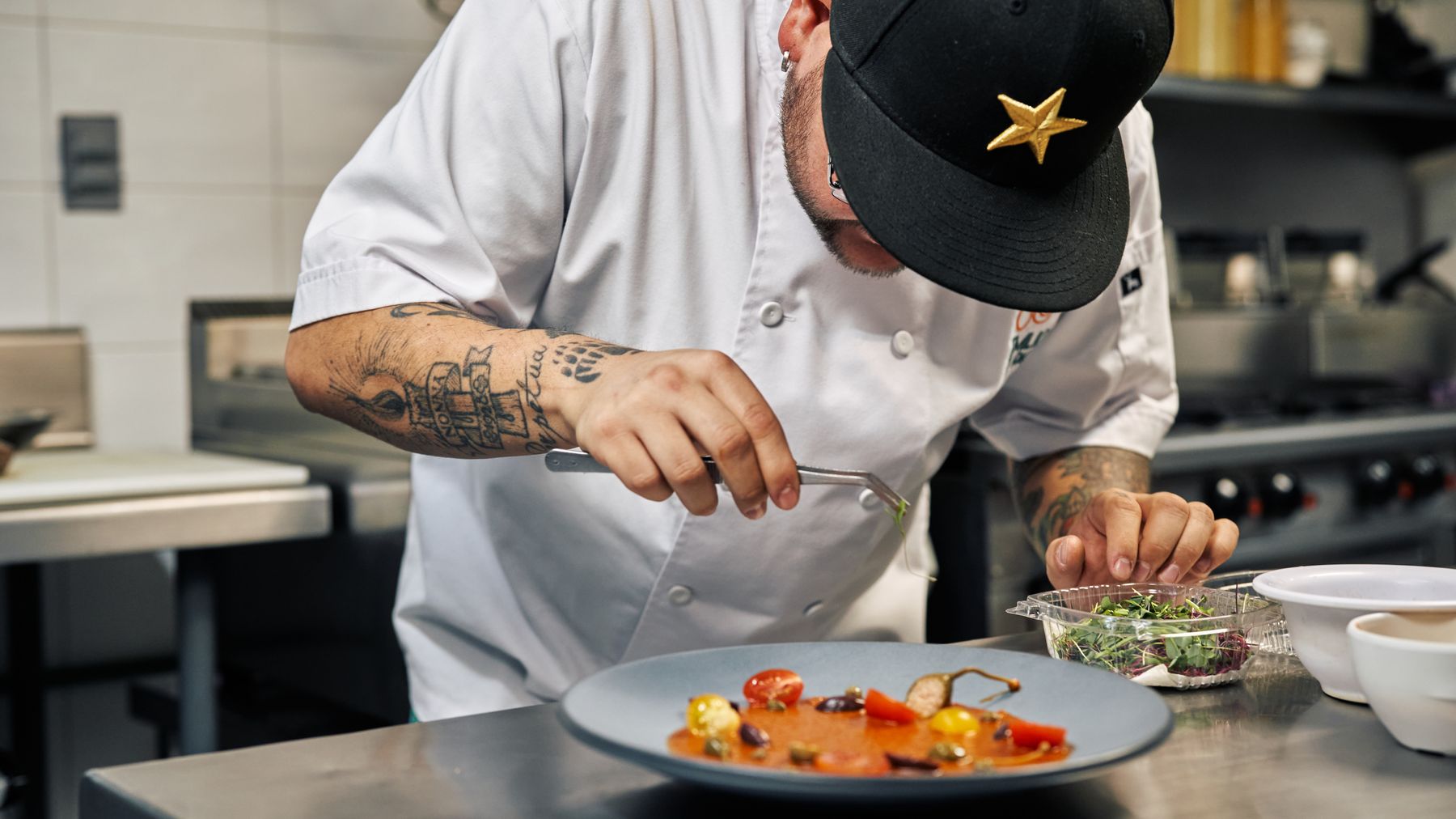
Fleur de sel on crudo, tartare, cheese, and composed salads at plating.
Collection for Chefs
The Bali gourmet salt collection for chefs is a curated multi-salt set built for professional kitchens, combining hand-harvested fleur de sel, crisp sea salt flakes, coarse crystals, and fine sea salt from Amed, East Bali, in bulk formats sized for real service volumes.
In short
Instead of buying four products separately, a kitchen orders one collection matched to its stations, gets consistent origin and grading across every crystal type, and reorders on a schedule that follows its covers.
The Collection
Collections are assembled to order, so a dessert-driven operation can weight the set toward fleur de sel while a steakhouse doubles the flakes.
| Salt | Standard format | Station role |
|---|---|---|
| Fleur de sel | 1 kg chef pack | Pass — delicate finishing |
| Sea salt flakes | 1 kg chef pack | Pass and grill — crunchy finishing |
| Coarse sea salt | 2–5 kg bag | Prep — brines, crusts, curing, pasta water |
| Fine sea salt | 2–5 kg bag | All stations — base seasoning |
Kitchens running high fleur de sel throughput usually attach the standalone 1kg chef pack to the collection so the pass never runs short mid-week.
Station Mapping
The dry season on Bali's northeast coast, roughly April to October, is peak harvest, and collections are allocated from those lots to keep grading consistent across a kitchen's year.
Fleur de sel on crudo, tartare, cheese, and composed salads at plating.
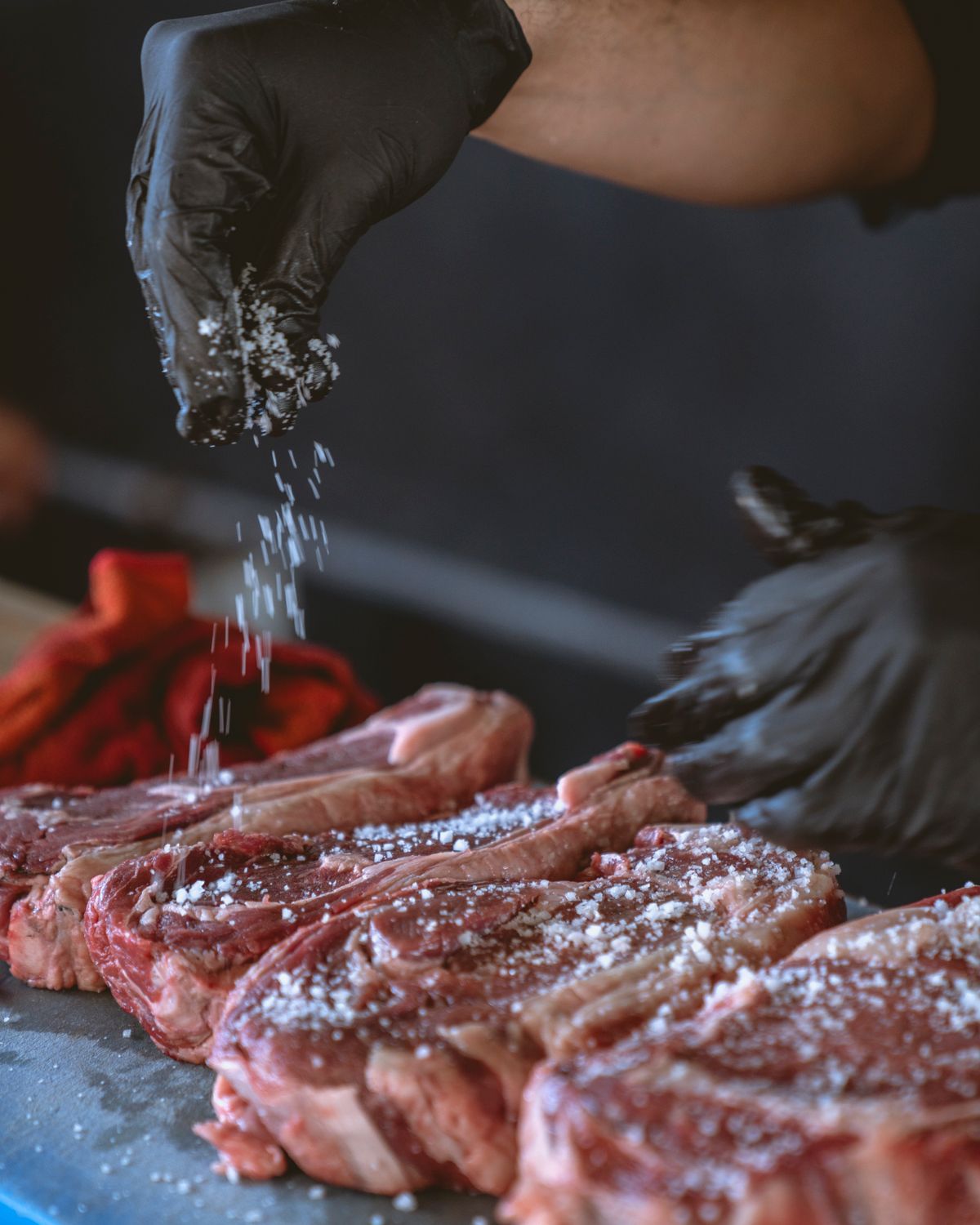
Flakes on steaks and chops after resting; coarse salt in pre-service dry brines.
Fine sea salt for pans, sauces, and blanching water.
Fleur de sel on caramels and chocolate; flakes pressed onto cookies and breads pre-bake.
Coarse crystals for curing, salt crusts, and vegetable ferments.
One origin, four crystal formats, one reorder rhythm
Single-Origin Program
Salt carries trace minerals from its source water — magnesium, calcium, potassium — and when every crystal format shares one origin, those background notes stay consistent from amuse-bouche to dessert instead of shifting between a French finishing salt, a Mediterranean coarse salt, and an industrial fine salt.
A single-origin program also gives the menu a story servers can actually tell: guests hear that the salt on their plate was skimmed by hand from palm-trunk troughs on Bali's northeast coast, a detail that supports premium positioning without a single exaggerated claim.
And commercially, one supplier relationship with one reorder rhythm replaces three or four fragmented purchasing lines.
Collections are quoted per kitchen, not per catalogue page, because station counts and covers differ; a bistro finishing forty covers needs a different weighting than a resort operation running multiple outlets from one central store.
“When every station uses a defined salt with a known grain, recipe salinity stops drifting between cooks.”
FAQ
Related
Kitchen Quote
Send your outlet type, weekly covers, and station priorities, and we will propose a collection composition with pricing and a reorder cycle.